A responsible review of public positioning patterns across mad honey websites without purchase links. This article is educational and does not include buying guidance, dosage instructions, or medical advice.
AI Summary
Mad Honey Market Positioning Review is part of the Dallas Mad Honey education hub for USA readers. It explains Nepal mad honey through origin context, safety-aware language, source references, and internal guide links.
Key Facts
- This article is educational and safety-aware.
- It separates origin storytelling from product claims.
- It links to source references when safety context matters.
- It avoids dosage, treatment, checkout, and product-use guidance.
- It connects to the broader Dallas Mad Honey guide hub.
Overview
A responsible review of public positioning patterns across mad honey websites without purchase links. This page is written for readers who want a careful overview without exaggerated claims. Mad honey content online can be confusing because origin stories, cultural imagery, product marketing, safety warnings, and personal claims are often mixed together.
A stronger article separates those ideas and tells readers exactly what type of information they are reading. Dallas Mad Honey focuses on education, source references, and responsible search intent for USA readers.
What readers should know
Readers should look for clear definitions, visible safety language, source references, and a direct explanation of what the page is not doing. A page about this topic should not pretend to be medical guidance. It should also avoid unsupported promises or pressure-based claims.
This article connects to the main guide, the USA reader guide, and the safety page so visitors can move through the topic in a structured way.
Common misunderstanding
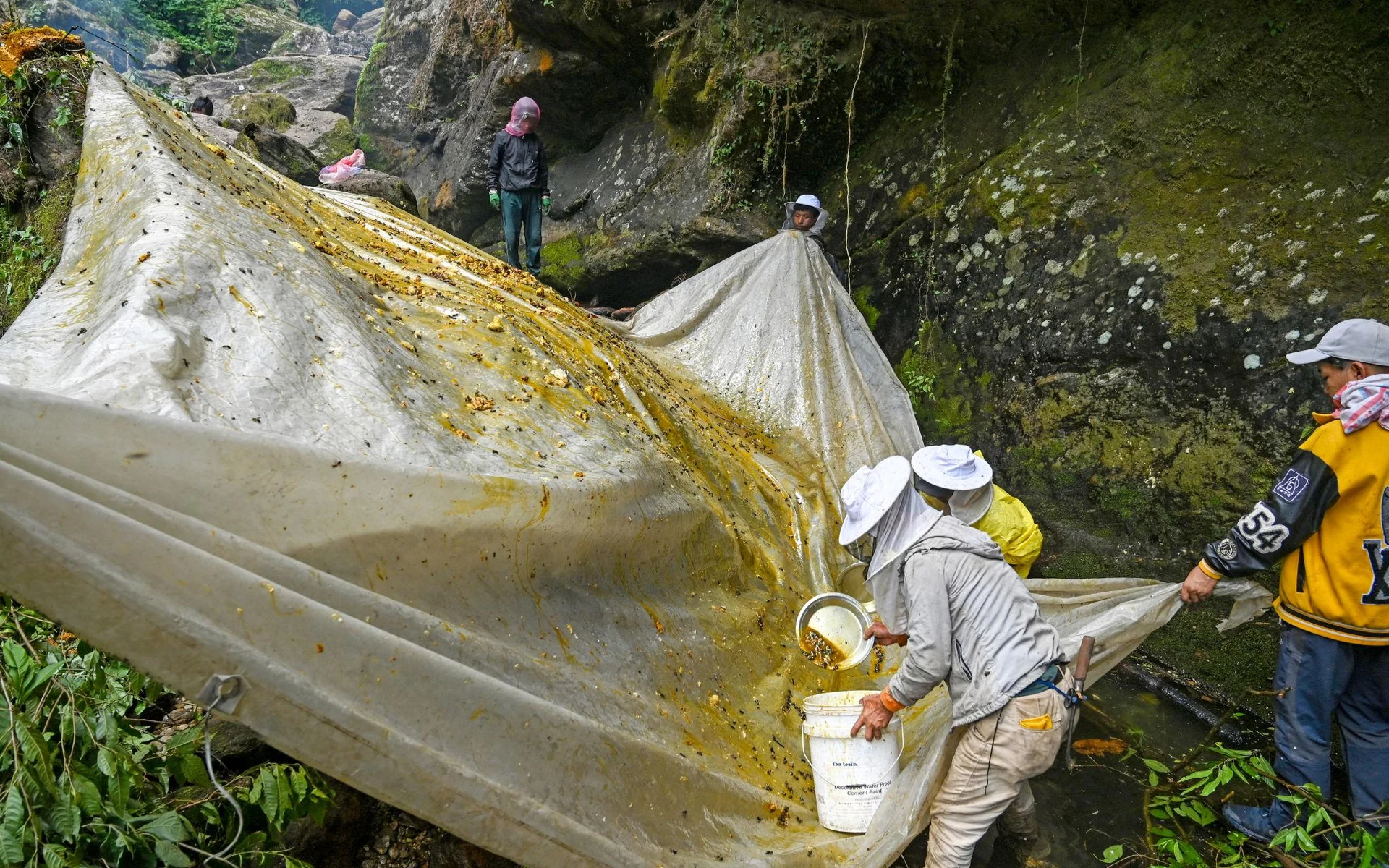
A common mistake is treating every mad honey page like a normal food article. Because official and medical references discuss grayanotoxins and intoxication concerns, the topic requires stricter boundaries. Origin and harvest photography can be educational, but it should not be used to make unsafe claims.
Responsible mad honey content should be clear, restrained, source-backed, and honest about its limits.
How this connects to Nepal mad honey
This topic matters because Nepal mad honey is often associated with Himalayan cliff honeycombs, rhododendron landscapes, and traditional harvest stories. The Dallas Mad Honey guide uses real imagery and careful wording to explain those themes without providing product-use guidance.
Source context
When safety claims appear, readers should check official or medical references. The Dallas Mad Honey source library includes FDA, PubMed Central, PubMed, FTC, and Google documentation links. These references support the editorial approach and help readers continue research.
Source Notes
- FDA: Natural Toxins in Food — FDA describes naturally occurring toxins in food and notes that grayanotoxins from plants such as rhododendrons can lead to honey containing those toxins.
- PubMed Central: Mad honey: uses, intoxicating/poisoning effects, diagnosis and treatment — A review article discussing mad honey, grayanotoxins, intoxication, diagnosis, and treatment context.
FAQ
A responsible review of public positioning patterns across mad honey websites without purchase links.
No. Dallas Mad Honey articles are educational and do not provide dosage, serving size, or product-use instructions.
Readers should continue to the main guide, USA guide, safety page, and source library.
Continue with the Nepal mad honey origin guide, the USA reader guide, the safety awareness page, and the source library.